What is a dividend, actually?
By Frank Morales · Updated
A dividend is a portion of a company's profits paid back to the people who own its stock. When you own a share, you own a small slice of the business. When that business earns more than it needs to keep growing, it can hand some of that cash to shareholders as a thank-you for sticking around.
Not every company pays one. Fast-growing companies often keep every dollar to fuel expansion. Older, steadier businesses, the kind that sell electricity, groceries, or insurance, tend to share profits because they don't need to reinvest as much. A dividend is a sign that a company is making real money, not just promising to.
How a payment actually works
Companies usually pay dividends four times a year. On a set date, the company declares an amount per share. If you own 100 shares and the dividend is $1 per share, you receive $100. That cash lands in your brokerage account, and you can spend it, hold it, or use it to buy more shares.
The key number to watch is the yield: the annual dividend divided by the share price. A $100 share paying $3 a year has a 3% yield. Yield tells you how much cash your money earns each year, separate from whether the share price itself goes up or down.
Illustrative example
Why dividends matter to you
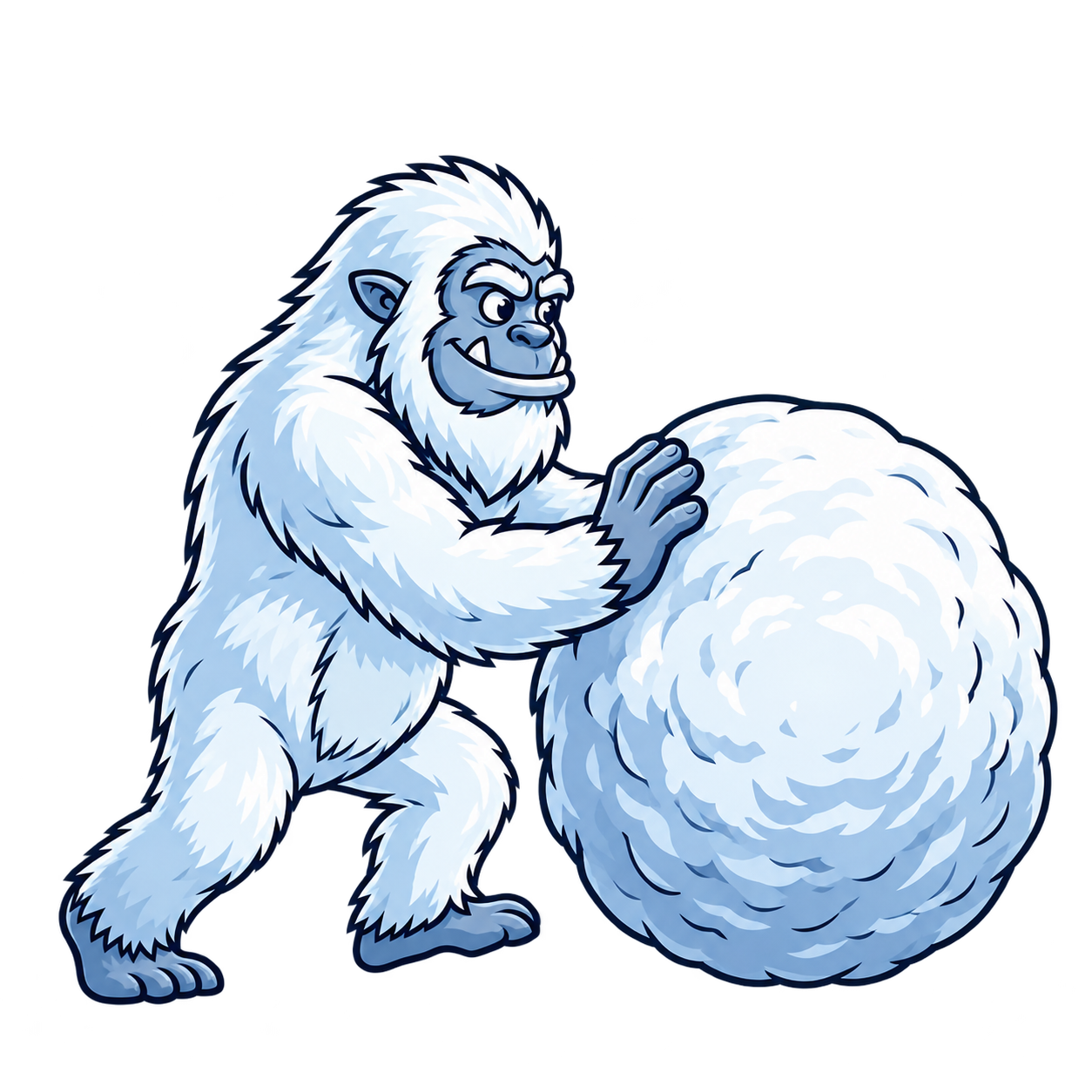
Dividends turn a stock from a number on a screen into a small, recurring paycheck. They're cash you can actually use. And because many companies raise their dividends over time, that paycheck can grow even if you never add another share. That growth, reinvested, is where the snowball begins.
The catch: dividends are never promised. A company can cut or pause them whenever business turns. That's why yield alone isn't enough, you also want a company that can afford to keep paying. We cover that in the lesson on yield traps.
Dividend Snowball is for educational purposes only and is not investment advice. Projections are estimates based on assumptions, not predictions. Dividends can be cut, returns vary, and past dividend raises don't guarantee future ones.
Frequently asked questions
What is a dividend in simple terms?
A dividend is a cash payment a company makes to its shareholders out of its profits. When you own a share, you own a slice of the business, and a dividend is your share of the cash it earns.
Do all stocks pay dividends?
No. Fast-growing companies often keep their cash to fund expansion, while older, steadier businesses tend to share profits with shareholders. A dividend is a sign a company is making real money.
How often are dividends paid?
Most companies pay dividends quarterly, four times a year. The amount per share is declared in advance, and the cash lands in your brokerage account on a set payment date.
Is a dividend guaranteed?
No. Companies can cut, suspend, or eliminate dividends at any time. That's why a safe, sustainable payout matters more than a high yield that might disappear.